April 27, 2026
Home appliances have become integral parts of modern day-to-day living, offering convenience and efficiency that were once unimaginable. They help us perform chores more quickly and effectively, saving time and energy for other important tasks. Given their critical role, the maintenance and home appliance repair become paramount to prolonging their lifespan and functionality. Understanding how to care for your appliances can significantly enhance their performance and reduce long-term costs associated with more serious breakdowns or replacements.
Diagnosing Common Issues With Refrigerators
Recognizing Cooling Problems
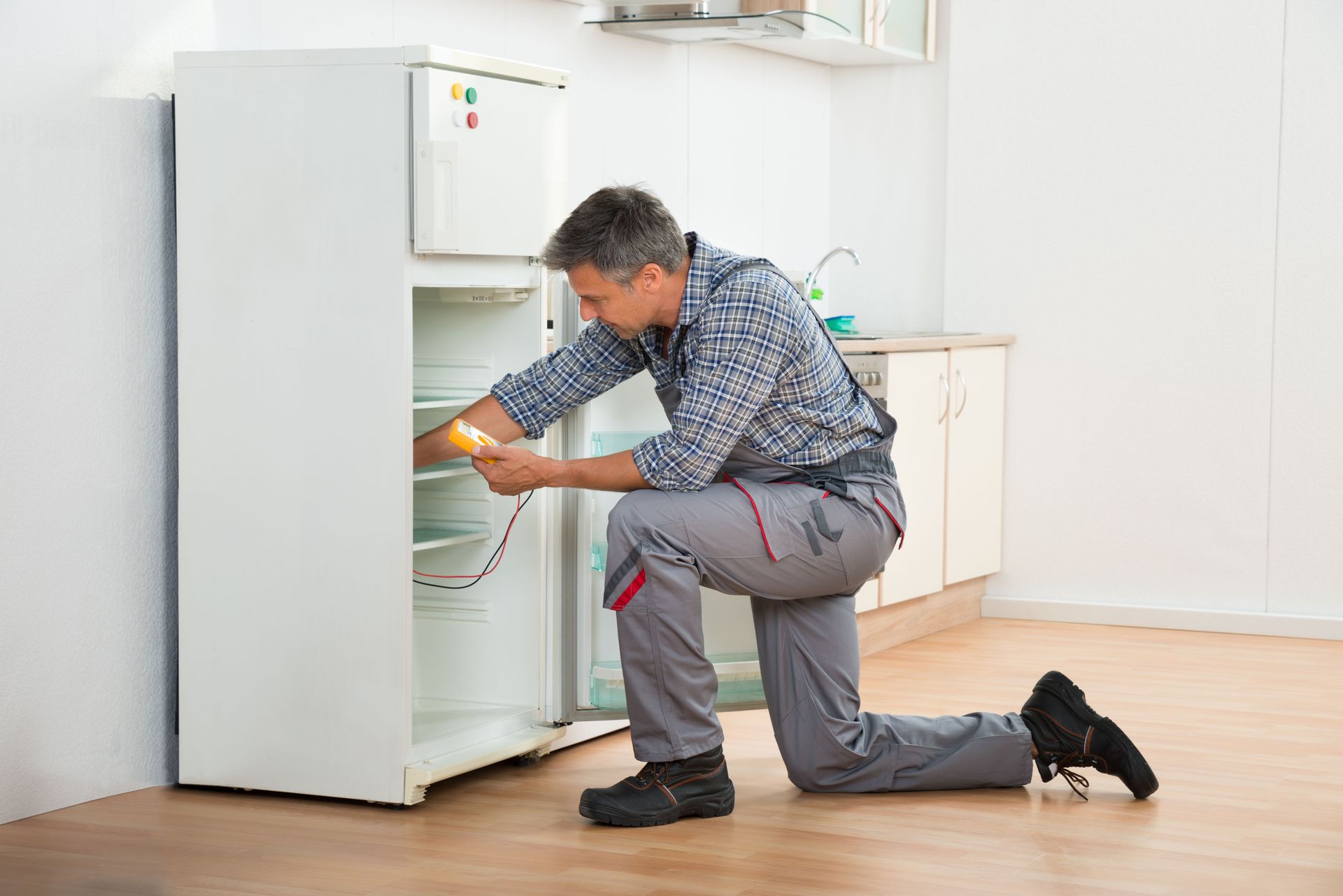
Cooling problems in refrigerators are typically indicated by a warm interior or spoiled food. Several issues could be the cause, including a blocked vent, thermostat malfunction, or dirty coils. To troubleshoot, start by ensuring the vents inside the refrigerator are not blocked by food items or ice buildup. Secondly, check the thermostat setting and adjust it downward, if necessary, and examine whether it requires recalibration. Lastly, clean the condenser coils beneath or behind the refrigerator, as dust accumulation can significantly impact cooling efficiency.
Another common cause of cooling issues is a faulty door seal, which can allow cold air to escape. You might notice moisture or mold around the door gasket, which is a clear sign that the seal is compromised. A simple test is to place a piece of paper between the door and the refrigerator frame. If you can easily pull it out, the gasket may need replacing. A prolonged failure to address cooling problems with professional home appliance repair could lead to deteriorating food quality and increased energy consumption, highlighting the importance of troubleshooting these issues promptly.
Fixing Water Leaks
Water leaks in a refrigerator can be a result of various issues, from a blocked defrost drain to a broken water filter. To determine the source, first, inspect the drain located at the bottom of most refrigerator models. A clogged drain will prevent condensation from escaping, eventually overflowing into the refrigerator compartments. Cleaning the drain with a mixture of baking soda and warm water often resolves this issue effectively.
Addressing Strange Noises
Strange noises from a refrigerator can indicate various underlying issues, ranging from minor problems to major mechanical failures. If the noise is coming from the back of the unit, it might be related to the condenser fan or the compressor. Cleaning the condenser fan blades and ensuring unobstructed airflow can often eliminate such noises. However, if the compressor is the culprit, it may require professional diagnosis and home appliance repair.
Dealing With Ice Maker Malfunctions
Ice maker malfunctions are common but can typically be resolved with some troubleshooting steps. If your ice maker has stopped producing ice, ensure it is turned on, and the lever or switch is in the correct position. Additionally, check if the water supply line is connected securely and there are no visible kinks that might obstruct water flow. Ensuring that the freezer is cold enough can also affect ice production, and adjusting it may resolve the issue.
Replacing Gaskets
The gasket on a refrigerator door serves a critical role in maintaining the appliance's efficiency by sealing in the cold air. Over time, these gaskets can become brittle, cracked, or develop mold, compromising their effectiveness. Signs you might need to replace a gasket include a door that doesn't seal properly, visible condensation, or increased energy bills as the fridge works harder to maintain its temperature. Regularly cleaning and checking the gasket for damage can prolong its lifespan.
Troubleshooting Washers
Handling Water Drainage Issues
Water drainage issues in washing machines are often frustrating and can occur due to blockages within the drainpipe or filter. One of the first steps is to inspect the drain hose for any kinks or blockages. If water remains in the drum, it can cause clothes to smell or become damaged from excess moisture. Cleaning filters regularly can prevent foreign objects or lint from creating clogs and disrupting water flow.
Resolving Vibration and Noise
Persistent vibration and noise issues in washers stem frequently from unbalanced loads. To mitigate such disturbances, ensure the washing machine stands on a firm, level surface. Adjusting the machine's feet can stabilize it, reducing noise generated during spin cycles. Be cautious about overloading the machine, which can place excessive strain on components and cause damaging vibrations.
Tackling Door Lock Problems
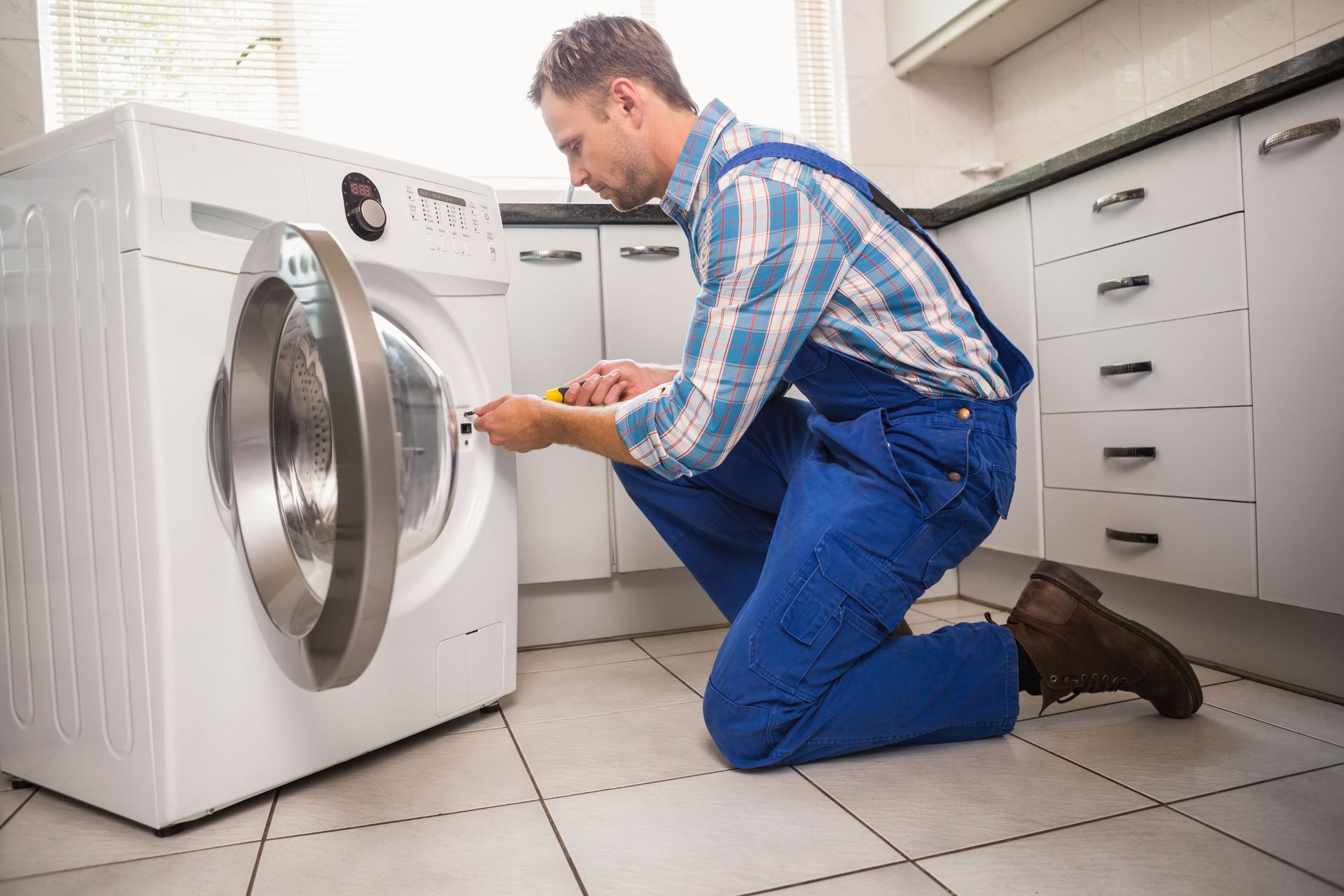
Door lock issues in washing machines can stem from electrical malfunctions or mechanical failures. When a door refuses to lock or unlock, the washer's ability to operate efficiently is compromised. Inspecting the door latch mechanism for obvious signs of wear or damage is a solid starting point for troubleshooting. Ensuring that the door aligns properly with the latch can often resolve lock malfunctions.
Fixing Incomplete Washing Cycles
Washing machines that halt mid-cycle can cause clothes to be inadequately cleaned or left soaking wet, preventing efficient laundry routines. Incomplete cycles are often attributed to power fluctuation or program malfunctions. Simple reset procedures, like unplugging the machine and restarting it, can sometimes resolve such interruptions. Checking electrical connections can prevent cycle disruption due to a poor power supply.
Understanding Spin Cycle Failures
Spin cycle failures result in wet clothes and require additional drying time, impacting efficient laundry management. Several potential culprits include imbalance, drive belt wear, or malfunctioning lid switches. Ensuring proper load distribution inside the drum during each cycle can prevent imbalance issues leading to spin failure. Adjusting laundry placement can directly influence the outcome of each spin cycle.
Oven and Microwave Repairs
Identifying Heating Element Issues
Heating element failures often manifest as uneven cooking in ovens and microwaves, challenging meal preparation. Signs of element failure include visible burns or splitting, indicative of immediate attention or replacement needs. Replacing damaged elements ensures consistent operation and performance functionality.
Resolving Temperature Control Problems
Temperature control in ovens is paramount for precision cooking, ensuring food is prepared at ideal conditions. If your oven fails to maintain consistent temperatures, it could indicate a faulty thermostat or electronic control board. Inspecting and calibrating the thermostat ensures it accurately reflects the set temperature, which can be critical for baking and roasting. Using an oven thermometer can help verify temperature consistency.
Addressing Microwave Door Problems
Microwave door issues, such as failure to latch or close properly, can hinder the appliance's ability to function as expected. Misalignment often stems from warped or loose hinges caused by repeated use over time. Aligning hinges and tightening screws can rectify minor misalignment problems easily. A functioning door safety lever and latch are crucial, ensuring alignment with the switch to permit operation.
Fixing Noisy Ovens
Noise disturbances within ovens, such as rattling or humming, can distract from optimal cooking experiences. Typically, these arise from loose parts, defective fans, or motor problems. The initial step in noise resolution involves checking racks and panels within the oven for looseness and securing any moving parts with screws or appropriate attachments. Ensuring stability among components reduces potential noise interruptions.
Handling Faulty Timers and Controls
Faulty timers and controls can complicate cooking routines, preventing precise culinary coordination. Ineffective timers indicate electrical faults or internal board damage, requiring detailed diagnosis. This diagnosis assists in determining the necessity and approach for replacement or home appliance repair efforts.
Taking a proactive approach to home appliance repair and maintenance can make a noticeable difference in both performance and longevity, helping you catch small issues before they turn into expensive problems. By staying alert to warning signs like poor cooling, drainage issues, unusual noises, or inconsistent heating, you can often resolve minor concerns with simple troubleshooting and routine care. To learn more, reach out to the experts at Blue Dragon Appliance Repair. According to IBISWorld, there are 37,000 appliance repair businesses in the United States, but not all of them can promise the more than 10 years of experience we offer!